
Yacht Charter Amazonia
Rent a Yacht in Amazonia
Charter at the Roof of the World's River
Amazonia describes the vast basin drained by the Amazon river and its tributaries, a region where yacht charter means expedition-style river and jungle waterway cruising rather than open-ocean sailing. From the Andean headwaters in Peru to the Atlantic mouth near Belém in Brazil, the system carries more freshwater than any river on Earth. Charter guests who come here seek wildlife encounters, indigenous cultural contact, and the sheer scale of a forest that regulates global climate. A yacht charter in Amazonia lets you set your own pace between harbours, anchorages, and shore days without resort transfers.
Manaus, situated nearly one thousand miles inland yet accessible to seagoing vessels, serves as the most recognised embarkation point. The Meeting of the Waters—where the dark Rio Negro joins the sandy Solimões without mixing for kilometres—offers a natural spectacle few charter destinations replicate. Further east, Santarém and Pará state ports connect the interior to coastal Brazil. Amazonia is not one marina town; it is a network of rivers, each with seasonal moods and navigation rules shaped by rainfall half a continent away. Yacht rental in Amazonia is a practical option for shorter breaks when you want a ready-equipped boat and a focused coastal or inland route.
From Manaus Toward the Atlantic Mouth
Downstream from Manaus, the main stem widens into a highway of cargo barges, local ferries, and occasional expedition yachts heading toward the ocean. Upstream, tributaries such as the Rio Negro, Madeira, and Tapajós branch into quieter channels where pink river dolphins surface beside the hull. Charter itineraries often combine main-river transit with detours into blackwater igarapés—narrow creeks shaded by arching vegetation. Boat charter in Amazonia covers everything from compact cruisers and canal boats to fully crewed yachts, depending on your licence and comfort goals.
Navigation charts exist for major channels, yet sandbars shift after floods and fallen trees appear without warning in backwaters. Local pilots with generational knowledge frequently accompany foreign-flagged charters, interpreting colour changes in water that signal depth or approaching rapids. GPS supplements but rarely replaces this expertise in tributaries far from Manaus. Sailing holidays in Amazonia appeal to guests who enjoy hands-on navigation, swim stops, and evenings tied up where restaurants face the water.
Tributaries, Channels, and Hidden Backwaters
The Amazon basin contains over a thousand named tributaries; charter planning means choosing which watersheds fit your time and interests. The Rio Negro's acidic dark water supports different fish and bird communities than the sediment-rich Solimões. Anavilhanas Archipelago, a maze of islands and channels north of Manaus, offers multi-day exploration without repeating the same vista. When you charter a yacht in Amazonia, YachtGet helps match base, vessel type, and season so paperwork and provisioning are clear before embarkation.
Jaú National Park and other protected areas restrict access or require permits; responsible operators obtain authorisation in advance and enforce no-waste policies ashore. Fishing villages along banks live by rhythms unfamiliar to Mediterranean sailors: dawn departures in dugout canoes, afternoon storms building over unchanged forest horizons. Guests who engage respectfully—with arranged interpreters when language barriers exist—gain insight into stewardship traditions predating modern conservation labels. Luxury yacht charter in Amazonia is available for groups who want crew, chef service, and hotel-level comfort while the coastline or islands change outside the salon.
Wildlife viewing peaks at water's edge: caimans eyeing the surface at dusk, sloths in Cecropia trees, toucans crossing channels in flight. Noise discipline on board improves sightings; engines idled during creek drift produce memories that loud party atmospheres would erase. Photographers should plan for rapid light changes beneath canopy cover and protect equipment from constant moisture.
Dry Season Floods and Wet Season Currents
Amazonia's seasons divide roughly into wetter months from December through May and drier months from June through November, though exact timing varies by tributary and El Niño influence. High water expands navigable area into flooded forest—igapó—where skippers follow submerged tree lines carefully. Low water exposes sandbanks and restricts some channels to smaller draft vessels, concentrating wildlife near remaining pools.
Neither season is universally superior. Wet-season charters reach deeper into igarapés and show the forest in lush fullness; dry-season travel simplifies wildlife spotting on exposed banks and reduces certain insect pressures. Rain can fall in any month; brief tropical downpours punctuate otherwise clear afternoons. Temperatures remain warm year-round, so climate control aboard and generous hydration matter more than packing fleece.
Gateway Towns and River Port Realities
Manaus combines an international airport with floating docks and shipyards accustomed to expedition refits. Supplies range from fresh produce at Adolpho Lisboa Market to technical parts for diesel engines common on regional craft. Santarém sits at the Tapajós confluence, useful for reprovisioning mid-voyage and accessing Alter do Chão's white-sand river beach—a social highlight for many crews.
Belém's Ver-o-Peso market overflows with açaí, river fish, and spices reflecting Afro-Indigenous culinary fusion. Smaller ports like Parintins, famous for its annual Boi-Bumbá festival, offer cultural stops when schedules align. Formalities for foreign guests involve Brazilian immigration and customs; operators coordinate documentation because spontaneous landings in remote areas can trigger legal complications.
River Fish, Açaí, and Forest Edge Cuisine
Amazonian food begins with the river itself. Tambaqui, pirarucu, and tucunaré appear grilled, stewed in tacacá soup, or baked in banana leaves ashore. Açaí bowls, now globalised, taste different at source: pulped from palm fruit with minimal sugar beside busy Manaus stalls. Manioc flour accompanies nearly every meal, a staple rooted in indigenous agriculture.
Guaraná soda and regional beers offer respite from equatorial afternoons. In Belém, tacacá vendors serve steaming cups flavoured with tucupí and jambu leaves that tingle the tongue—a sensory marker of Pará state. Charter guests dining in lodge kitchens or town restaurants encounter flavours impossible to reproduce faithfully outside the basin.
Reach YachtGet for Amazon River Charter Planning
Amazonia demands more preparation than Mediterranean week charters, yet delivers unmatched immersion for guests willing to embrace river logistics, equatorial climate, and guided navigation. YachtGet liaises with expedition operators and specialised brokers who understand draft limits, permit timelines, and the difference between a luxury houseboat on the Negro and a research-capable motor yacht bound for the main stem. Outline your wildlife priorities, comfort requirements, and available dates, and the YachtGet team will channel your enquiry toward vetted Amazon charter options with realistic routing, safety standards, and shore experiences matched to your group.
Popular Ports & Anchorages

Popular Yachts in Amazonia
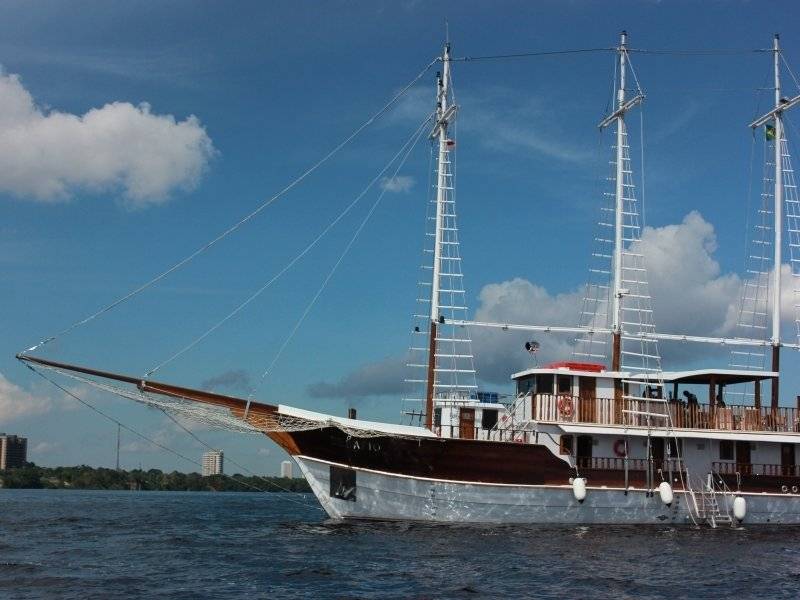
Charter by Yacht Type in Amazonia
Ready to Charter in Amazonia?
Let our experts help you plan the perfect Amazonia yacht charter experience.